
The Apartment
Plant Guide
Expert care for structural orchids
and lush companion greenery.
Meet Your Orchids
Three apartment-perfect varieties worth knowing.
*Note: Our kits focus on care and display accessories. Live orchids shown for inspiration.*

Phalaenopsis
Moth Orchid Sets
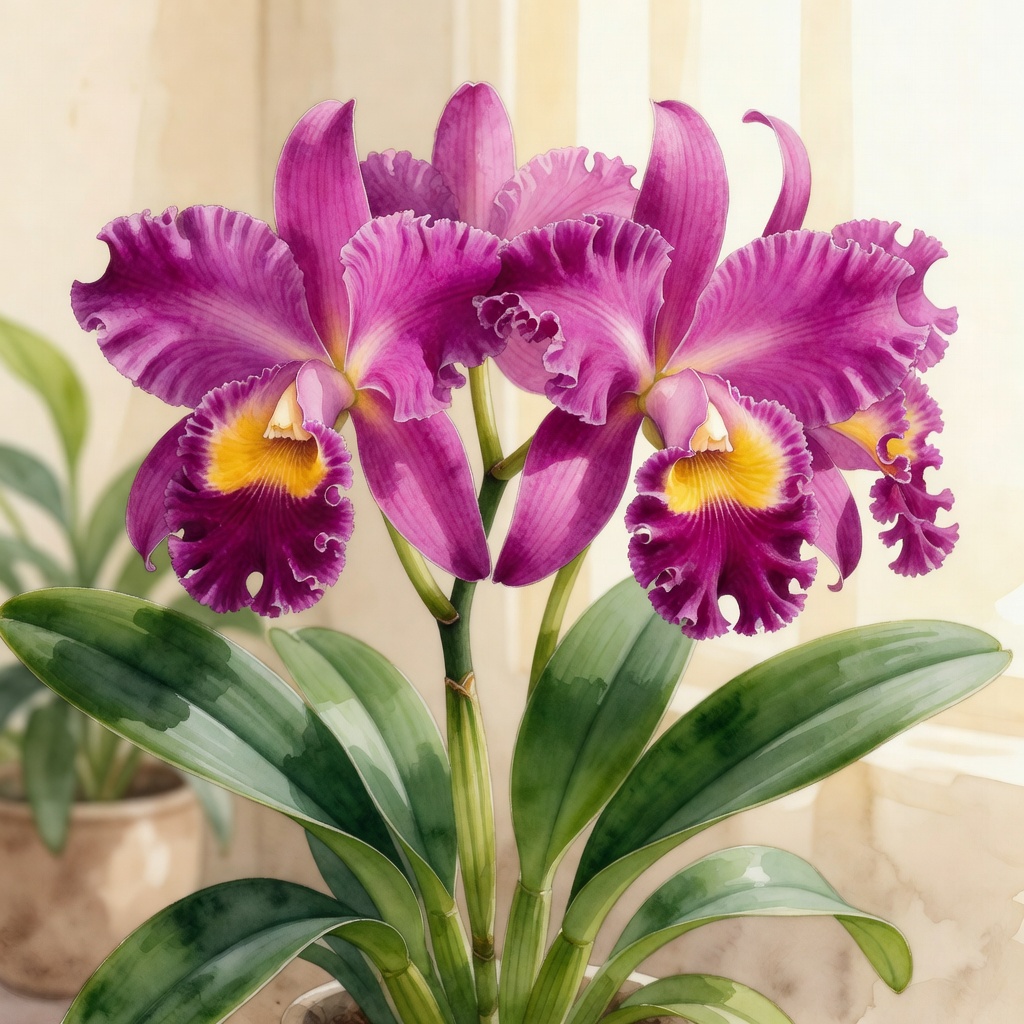
Cattleya
Corsage Orchid

Dendrobium
Bamboo Orchid
The Phalaenopsis
The most forgiving orchid you can grow indoors, especially when styled in a curated grouping. Phalaenopsis blooms for months at a time and rebounds beautifully with minimal fuss. These smaller varieties are perfect for apartment life, thriving in low-to-medium light and needing watering only once a week. If you've ever killed an orchid, these mini varieties are your second chance — they're resilient, rewarding, and right-sized for any shelf or coffee table.
The Cattleya
Cattleyas are the showstoppers of the orchid world — the ones that make people stop and stare. Their large, ruffled blooms in deep purples, pinks, oranges, and whites are intensely fragrant and genuinely theatrical. They bloom once or twice a year, but when they do, the whole room knows it. Cattleyas need a bit more light than a Phalaenopsis — a south or west window is ideal — and they appreciate a dry-out period between waterings. They reward the slightly more attentive apartment plant parent.
The Dendrobium
With over 1,800 species, Dendrobiums are one of the largest orchid genera in the world — and one of the most adaptable. Their cane-like stems produce cascading sprays of small, cheerful blooms in lavender, white, yellow, and deep purple. They're compact, they tolerate a range of conditions, and they look stunning on a shelf or windowsill. Dendrobiums have a natural rest period in winter where they prefer less water and cooler nights — this temperature drop is actually what triggers their gorgeous spring bloom. A little patience goes a long way.
Beyond the Bloom:
Styling Your Space
An orchid is a statement, but a sanctuary is a composition. By pairing your blooms with the right greenery, vessels, and vertical structure, you transform a plant into a lifestyle.
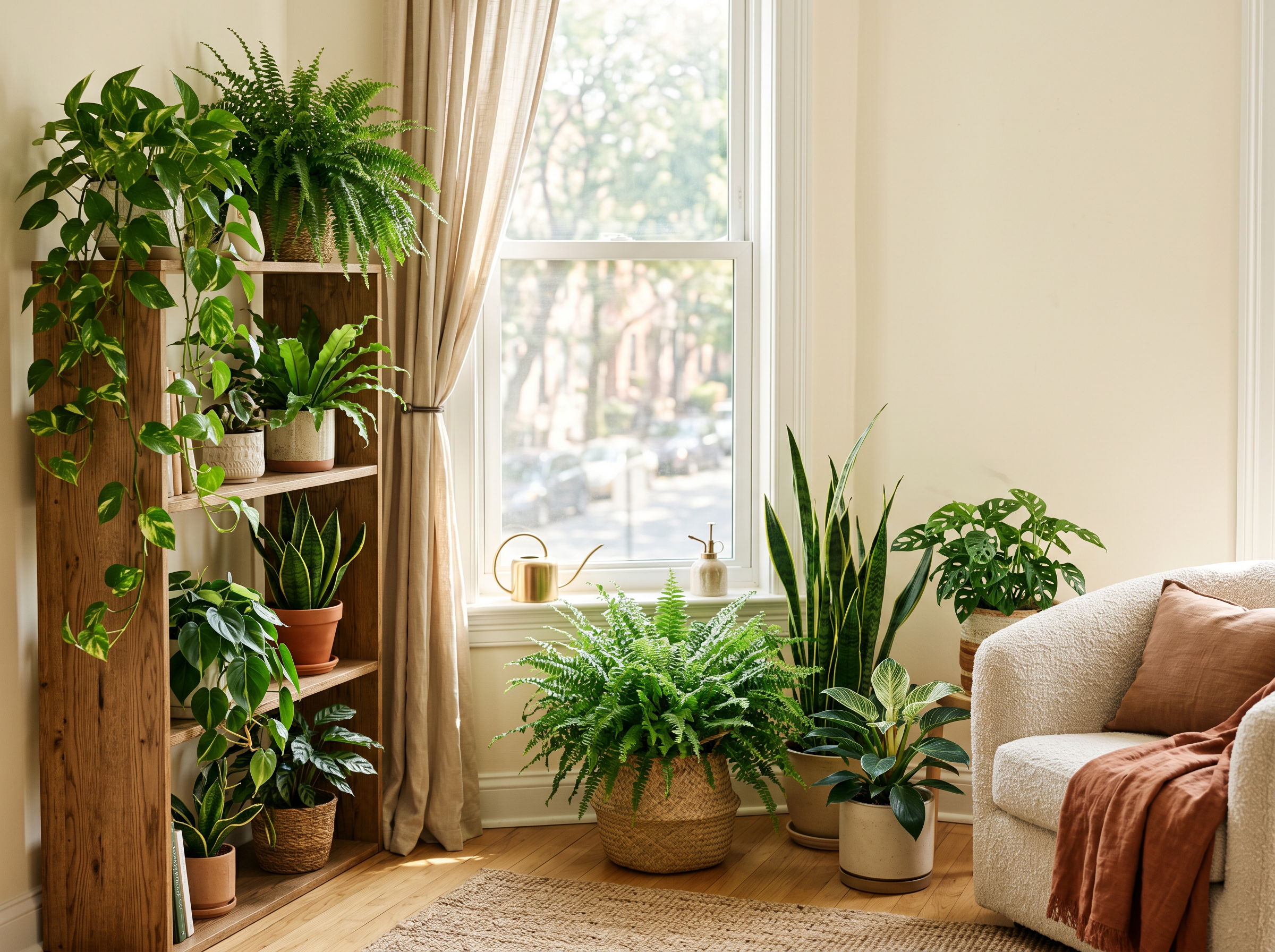
Greenery that makes orchids glow
Orchids are the stars, but every star needs a supporting cast. Soft, lush foliage builds the natural humidity orchids crave while providing the visual depth that turns a plant corner into a living landscape.
Natural humidity boosters for dry apartment air
Soft textures that contrast orchid structural leaves
Fills visual gaps between seasonal bloom cycles
Shared light needs make grouping effortless
"Pair your orchid with a Bird's Nest Fern or a trailing Silver Pothos. The humidity exchange keeps flowers fresh longer, and the varied heights create a tiered, professional look."
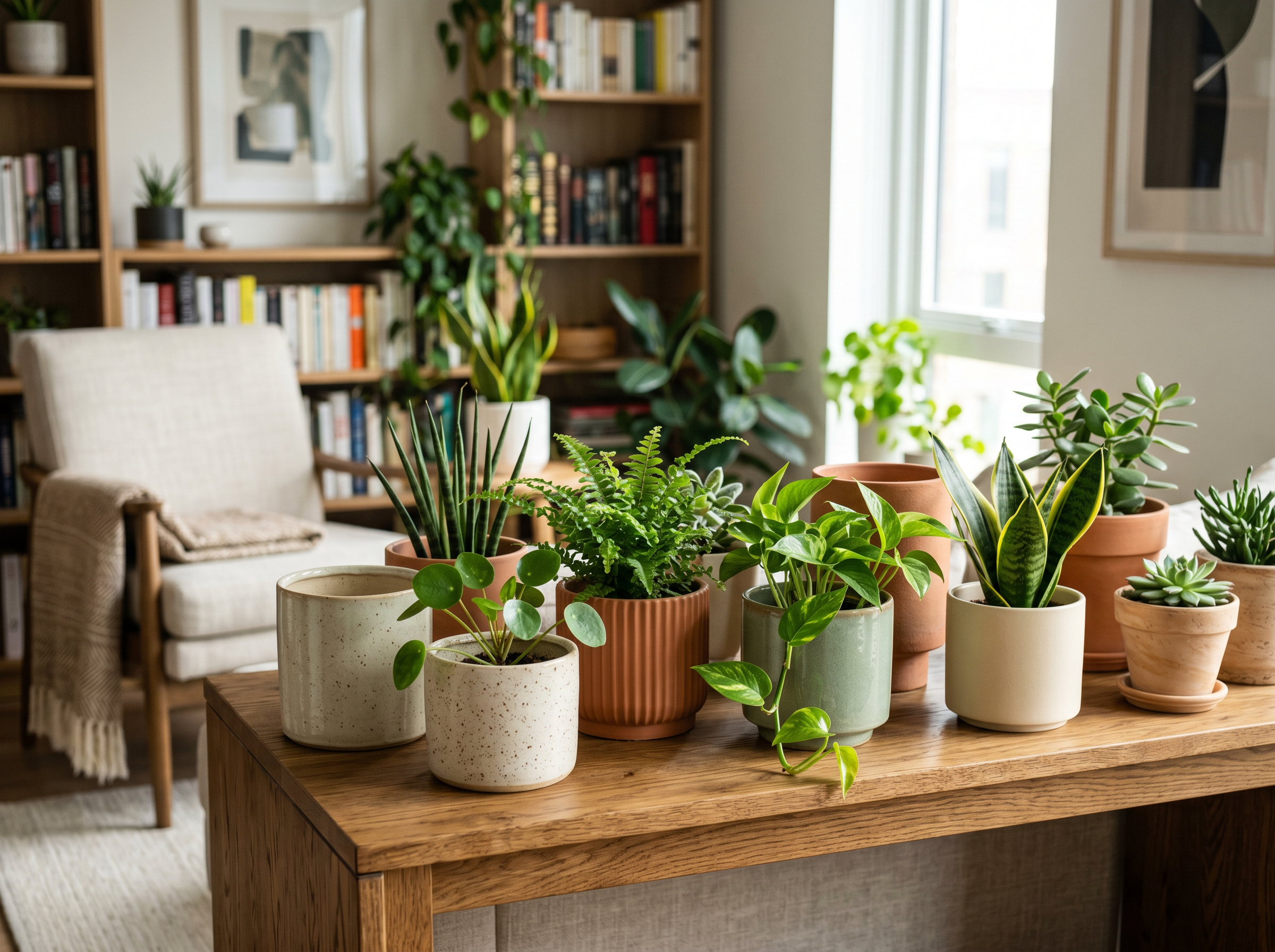
Decorative pots that finish the room
In a small apartment, your pots are as much furniture as they are vessels. Our curated cachepots are designed to hide nursery liners while protecting your surfaces and complementing your interior aesthetic.
Hidden liners allow for easy 'soak and drain' watering
Matte and glazed textures to catch apartment light
Furniture-safe bases with built-in protection
Airflow-conscious designs for root health
"Use a pot that is 1-2 inches wider than the orchid's liner. This creates an air buffer that prevents root rot and makes it easy to lift the plant out for weekly watering."
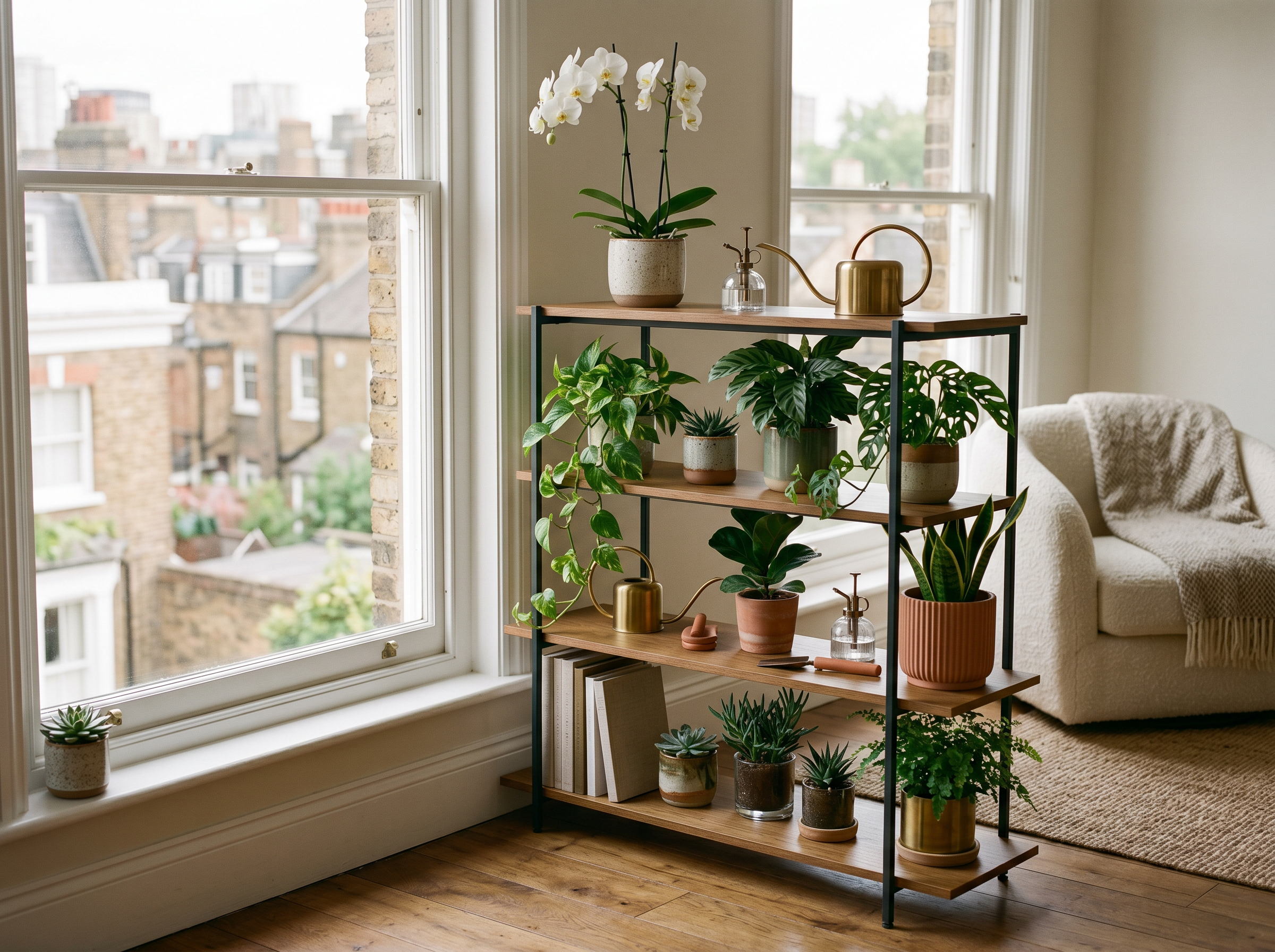
Shelves built for small sanctuaries
When floor space is at a premium, vertical thinking is your best friend. Staggered shelving and window ledges allow you to maximize natural light and turn a simple wall into a botanical gallery.
Elevate plants to catch optimal window light
Modular designs for studio and loft living
Moisture-resistant materials for daily misting
Staggered heights for a dynamic visual flow
"Place your orchids on the middle shelves where light is brightest but indirect. Use the top shelves for trailing vines that frame the orchids below."
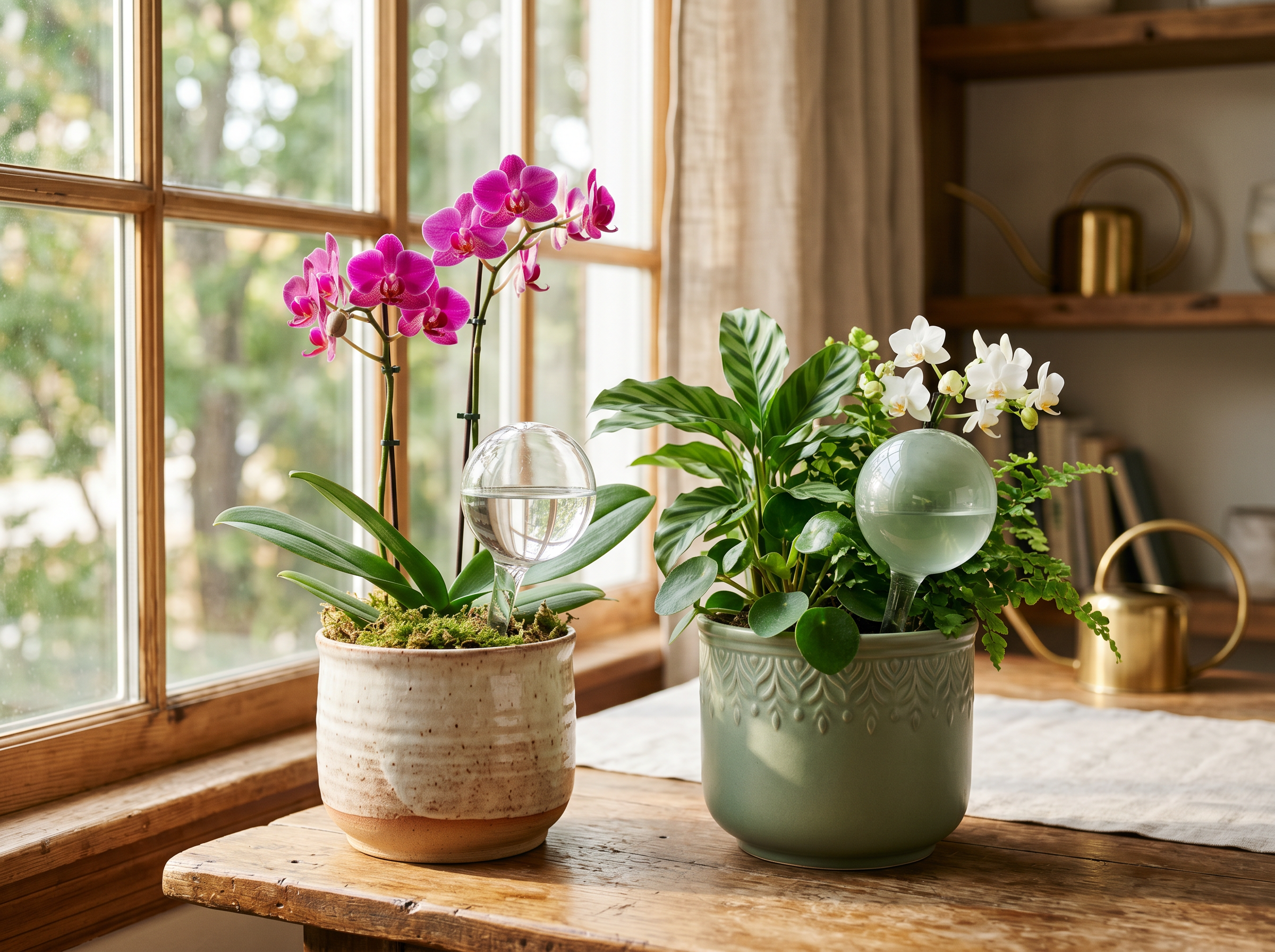
Green plant hydration made easy
Leafy green plants like Ferns and Pothos thrive on consistent moisture. Our hand-blown glass watering globes provide a slow, steady release of water, acting as a beautiful and practical bridge between your weekly care routines.
Self-regulating moisture release for leafy greens
Hand-blown glass adds a sculptural jewel-like touch
Perfect for moisture-loving apartment plants
Visual water level cue—know when to refill at a glance
"Best for leafy green plants and moisture-loving potted plants. For orchids, skip the globe—they prefer a weekly 'soak and drain' rather than constant moisture. Use these instead for your Ferns, Pothos, or Calatheas to keep them lush between waterings."
Ready to start your sanctuary?
Take our 2-minute quiz to find the perfect orchid and companion plants for your specific apartment lighting and lifestyle.
Caring for Your Orchid
Everything you need to know to help your orchid thrive — and rebloom.
Watering
- Water once a week — drench thoroughly, let drain completely. Never let the pot sit in standing water.
- Use tepid water. Water in the morning so leaves dry by nightfall.
- In dry apartments, check every 3 days. In humid ones, once a week is fine.
- Overwatering is the #1 orchid killer. When in doubt, wait.
Light
- Bright, indirect light — east or west-facing windows are ideal for apartments.
- Never direct midday sun — orchids sunburn easily.
- Simple test: if you can comfortably read a book by the natural light, it's bright enough.
- Keep orchids within 3 feet of a window at all times.
Humidity & Air
- Orchids love humidity but hate wet roots — it's a balancing act.
- Place a pebble tray with water underneath the pot to raise local humidity.
- A small slow-moving fan helps with air circulation and prevents rot — great for apartments.
Repotting
- Repot every 1–2 years after blooming, when new growth begins.
- Always use fresh orchid bark — never regular potting soil (it suffocates orchid roots).
- Trim dead or mushy roots. Healthy roots are firm and white or green.
Reblooming
- Orchids need a 10–15°F temperature difference between day and night to trigger reblooming.
- Aim for ~70°F days and ~60°F nights.
- If it won't rebloom, the most likely causes are too little light or too-consistent temperatures.
Fertilizing
- Use a balanced orchid fertilizer weekly (look for 17-17-17 formulas).
- The golden rule: "Weakly, weekly" — dilute to half strength, apply every week.
Ready to grow?
Take our free quiz to find your perfect orchid kit and matching supplies.
Start the Quiz